

Our History: A Data Sovereignty Movement
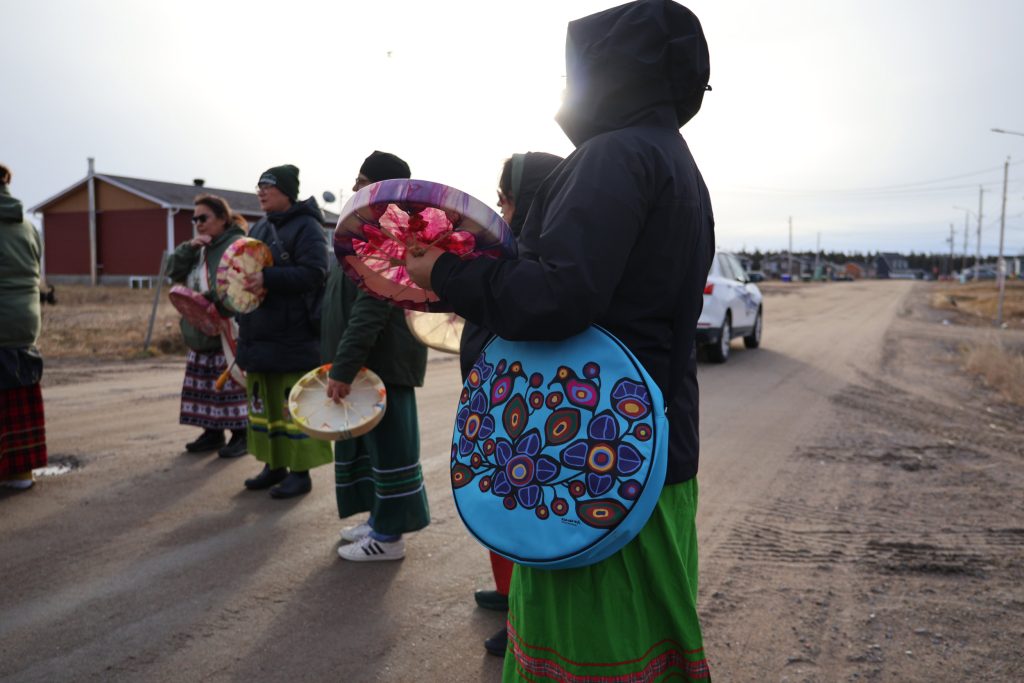
First Nations have always held knowledge they wish to preserve, organize, and transmit in alignment with their own values and ways of doing things. This knowledge, rooted in traditions, culture, and the land, has historically guided decision-making within communities. Over the decades, other types of knowledge have been added, derived from research, population surveys and various information management systems. Today, this body of knowledge and data constitutes an essential information asset for First Nations.
To ensure self-determination, it is essential that this information be governed under the aegis of the First Nations themselves. Decision-makers in communities and organizations must have the means and capacities to fully utilize it in their planning and decision-making processes. For too long, data has been collected primarily for the purpose of reporting to governments, without truly considering the needs of First Nations.
This is why, for over 30 years, the First Nations in Quebec and Canada have been joining forces to regain control of their knowledge, information, and data. This movement is part of a strong commitment to data sovereignty, which is essential to their autonomy and development.
Recognition of First Nations’ Rights
The right of First Nations to manage information concerning them has been widely recognized by various federal and international bodies.
In Canada, the Royal Commission on Aboriginal Peoples emphasized the need to rebuild relations between Aboriginal and non-Aboriginal peoples by recognizing the cultures, values, and right to self-determination of First Nations. The Truth and Reconciliation Commission of Canada has made several recommendations urging the federal government to address health inequities, establish measurable targets, and identify gaps that need to be addressed.
At the international level, the United Nations Declaration on the Rights of Indigenous Peoples also reaffirms the right to self-determination of Indigenous peoples.
When Vision Becomes Action
Over the past several years, major progress has been made in First Nations data sovereignty. In 2016, the Chiefs of the Assembly of First Nations adopted a landmark resolution emphasizing the importance of recognizing this fundamental right and requesting federal financial support for the creation of regional information governance centres. In 2021, concrete steps towards this vision were taken with the allocation of funding to the First Nations Information Governance Centre to support the establishment across the country of regional centres that will be adapted to the realities and needs of First Nations. In 2023, the Chiefs of the Assembly of First Nations Quebec-Labrador added to the momentum by officially throwing its support behind the regional strategy to increase data control and protection. Finally, in 2025, the Chiefs of the Assembly of First Nations Quebec-Labrador reaffirmed their commitment by adopting a new resolution in favor of continuing work under phase 2 of this structuring strategy. Each of these steps carries forward a collective vision of the First Nations that is guided by self-determination, collaboration and data sovereignty.

Lorem ipsum dolor sit amet consectetur
Lorem ipsum dolor sit amet, consectetur adipiscing elit. Ut elit tellus, luctus nec ullamcorper mattis, pulvinar dapibus leo.
Lorem ipsum dolor sit amet consectetur
Lorem ipsum dolor sit amet, consectetur adipiscing elit. Ut elit tellus, luctus nec ullamcorper mattis, pulvinar dapibus leo.
1996
Publication of the Report of the Royal Commission on Aboriginal Peoples.
1997
Launch of the First Nations Regional Health Survey (RHS).
1998
Creation of the First Nations Principles of OCAP® (Ownership, Control, Access, and Possession).
2005
Adoption by the Chiefs of the Assembly of First Nations Quebec-Labrador (AFNQL) of the First Nations in Quebec and Labrador’s Research Protocol.
2005
Publication of the Consultations Protocol of the First Nations of Quebec and Labrador.
2007
Adoption of the United Nations Declaration on the Rights of Indigenous Peoples.
2010
Official creation of the First Nations Information Governance Centre (FNIGC).
2010
Creation of the Surveillance Portal for Quebec First Nations Health Status and Its Determinants.
2012
Adoption by the Chiefs of the AFNQL of the Framework related to the protection of information held by a Quebec First Nations community or organization.
2012
2014
Update of the First Nations in Quebec and Labrador’s Research Protocol, which was adopted by the Chiefs of the AFNQL.
2015
Publication of the Final Report of the Truth and Reconciliation Commission of Canada.
2016
Resolution No. 57: Recognition by the Chiefs of the Assembly of First Nations (AFN) of the importance of data sovereignty. Request for funding from the federal government to develop a national data governance strategy.
2018
Provision of funding by Indigenous Services Canada (ISC) to the FNIGC to support the development of the national data governance strategy and the establishment of regional information governance centres.
2019
Publication of the Quebec First Nations Information Governance Framework, which establishes the guiding principles for information governance at the regional level.
2020
Submission of the First Nations Data Governance Strategy of the FNIGC to ISC. This report envisions a national network of First Nations-led regional information governance centres across the country, equipped with the resources, expertise and infrastructure required to meet First Nations information needs.
2021
Provision of financial support by ISC to the FNIGC for the development and implementation of the national First Nations Data Governance Strategy.
2022
Establishment of the project team within the FNQLHSSC that is responsible for the implementation of the Quebec-Labrador First Nations Information Governance Strategy.
2022
Creation of the regional working group to support the project team. The regional working group is composed of representatives from the AFNQL regional commissions and organizations, as well as other First Nations organizations.
2023
Launch of the First Nations Regional Information Governance Strategy. The Chiefs of the AFNQL recognized the importance of First Nations data control and protection and officially supported the implementation of the Regional Information Governance Strategy.
